
Ledger® Live Desktop |Your Wallet®
Ledger Live Desktop helps users manage compatible Ledger wallets while viewing account balances, tracking portfolio activity, installing blockchain applications, updating devices, and checking transaction details from one place.
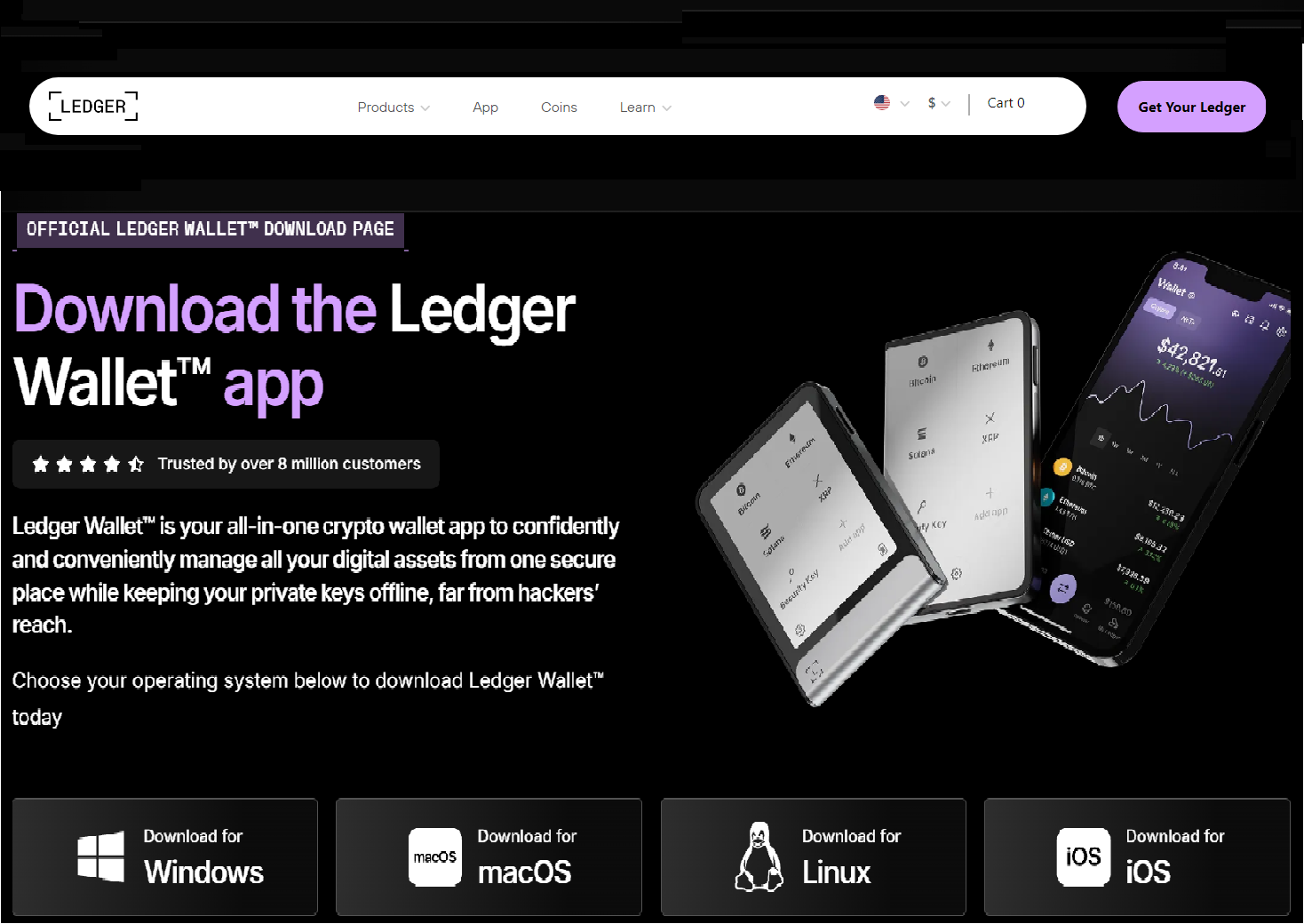
Ledger Live Desktop: A Simple Guide to Secure Crypto Management
Managing digital assets from a computer can be more convenient when you have a dedicated interface designed to work with a hardware wallet. Ledger Live Desktop gives Ledger users a practical way to interact with supported crypto accounts, check portfolio information, install required blockchain applications, and review transactions from a desktop environment.
For beginners, cryptocurrency management can initially feel overwhelming. Wallet addresses, network applications, private keys, security confirmations, and recovery phrases are all important concepts. Learning how Ledger Live Desktop works before transferring valuable assets can make the experience much easier to understand.
Getting Familiar With Ledger Live Desktop
Ledger Live Desktop is commonly used to describe Ledger's desktop wallet-management experience. Ledger now refers to its companion software as Ledger Wallet, following the transition from the Ledger Live name.
The desktop application works alongside compatible Ledger hardware wallets. Rather than functioning as a place where private keys are simply stored on a computer, the hardware device is designed to keep those keys protected while the desktop application provides an interface for managing supported accounts and assets.
This combination allows users to perform everyday wallet tasks while maintaining an important separation between the computer and sensitive key material.
Starting the Installation
Before installing any wallet application, make sure you are using a legitimate source. This is particularly important in cryptocurrency because fake applications and phishing pages can closely resemble genuine services.
Visit Ledger's official website and locate the appropriate wallet software for your operating system. Follow the installation instructions instead of relying on software received through an unsolicited email, message, or unfamiliar website.
After installation, launch the application and follow the instructions provided for your Ledger hardware device.
Connecting a Hardware Wallet
Once the desktop application is ready, connect your Ledger device using the supported connection method. The exact procedure can vary depending on your hardware model and computer.
Pay attention to both the desktop application and the physical device during setup. If the device asks you to verify information, read it carefully before continuing.
This is especially important when approving transactions. A computer screen may display information supplied by a website or application, while the hardware wallet provides an additional place to verify what you are actually authorizing.
Creating and Managing Accounts
Ledger Live Desktop can help users organize supported cryptocurrency accounts from a central interface. Depending on the asset, an associated blockchain application may need to be installed on the hardware wallet before an account can be added.
Once an account is available, users can view relevant information and perform supported wallet-management tasks.
Not every cryptocurrency operates in exactly the same way. Network requirements, account features, fees, and available services can differ, so users should understand the asset they are working with before moving funds.
Sending and Receiving Digital Assets
A hardware wallet can make the process of approving crypto transactions more deliberate. When receiving assets, users should carefully provide the correct wallet address and verify network compatibility.
When sending funds, check the recipient address, network, amount, and other transaction details before approval. If something looks unfamiliar or different from what you expected, stop and investigate rather than confirming immediately.
Once a blockchain transaction has been confirmed, reversing it may not be possible, so careful verification is an important part of responsible wallet management.
Protecting Your Recovery Phrase
The most important security information associated with a self-custody wallet is the Secret Recovery Phrase. This phrase can be used to restore access to wallet accounts, making its protection extremely important.
Write the phrase down as instructed during the initial setup and store it securely offline. Never upload it to cloud storage or save it in screenshots, email accounts, text documents, or messaging applications.
You should also never provide the phrase to someone claiming to be Ledger support. A request for your recovery phrase should immediately raise a security concern.
Keep Your Software Current
Regular updates can help maintain compatibility and provide access to improvements. When updating Ledger software or the firmware of a compatible device, use official Ledger resources and follow the instructions carefully.
Avoid unofficial update files or links supplied by unknown contacts. If an unexpected message tells you that your wallet is at risk and demands immediate action, verify the information through an official Ledger source first.
Building Better Wallet Habits
Good cryptocurrency security involves more than choosing a hardware wallet. Users should develop habits such as checking website addresses, avoiding suspicious links, protecting their PIN, keeping recovery information offline, and reviewing transactions before signing them.
It is also wise to become familiar with the normal appearance and behavior of your wallet software. Unexpected requests for confidential information should never be treated casually.
Final Thoughts
Ledger Live Desktop provides a convenient computer-based environment for managing supported cryptocurrency accounts with a compatible Ledger hardware wallet. Its interface can simplify routine wallet tasks while the physical device adds an important security layer for protecting private keys and approving transactions.
Whether you are completely new to hardware wallets or already familiar with crypto, careful setup and consistent security practices are essential. Use legitimate software, protect your recovery phrase, verify every important transaction, and take time to understand each step before approving it. These simple habits can help make desktop crypto management safer and more manageable.
Updated about 3 hours ago