
Getting™ Started | Ledger® Live: Desktop® | Ledger Wallet™
Ledger Live Desktop offers convenient tools for connecting Ledger hardware wallets, managing accounts, monitoring crypto balances, installing supported applications, updating devices, and reviewing transaction information securely.
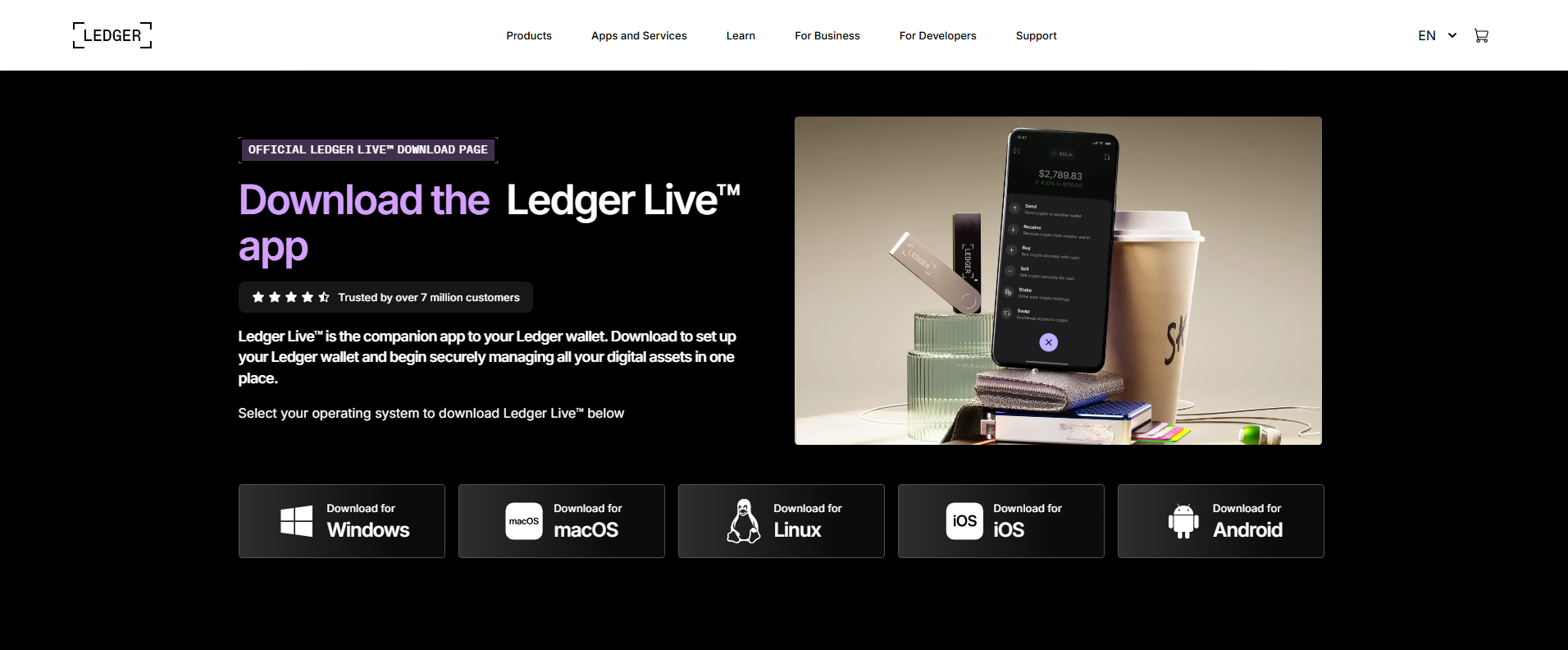
Ledger Live Desktop: A Complete Guide to Managing Your Crypto Securely
Managing digital assets from a computer can be much easier when you have a clear and reliable interface. Ledger Live Desktop provides a convenient environment for users who want to connect a Ledger hardware wallet, view their crypto accounts, install supported blockchain applications, and review transactions from a desktop computer.
For people who are new to hardware wallets, the setup process can initially seem complicated. Understanding how the desktop application works, how it connects with a Ledger device, and how to maintain good security habits can make the overall experience much simpler.
What Is Ledger Live Desktop?
Ledger Live Desktop refers to the desktop experience used to manage compatible Ledger hardware wallets and supported digital assets. Ledger has been transitioning its software branding from Ledger Live to Ledger Wallet, but “Ledger Live Desktop” remains a commonly used term for the desktop application experience.
The software acts as an interface between your computer and compatible Ledger hardware wallet. Instead of relying entirely on a browser-based wallet, users can access account information and wallet management features through a dedicated desktop application.
Why Use Ledger Live Desktop?
One major advantage of Ledger Live Desktop is convenience. A desktop interface gives users a larger screen for reviewing balances, navigating accounts, and checking transaction information.
The application can also help organize multiple crypto accounts in one place. Depending on the supported asset and device, users can add accounts, install blockchain applications, receive assets, prepare transactions, and review portfolio information.
The hardware wallet remains an important part of the security model. Sensitive operations require interaction with the physical device, helping users verify important transaction details before approving them.
Getting Started With the Desktop Application
Before installing any wallet software, make sure you obtain it through an official Ledger source. Avoid downloading applications from advertisements, unofficial websites, random file-sharing pages, or links sent by unknown people.
After installing the appropriate desktop application, open it and follow the setup instructions provided for your Ledger device. You may be asked to connect the hardware wallet and complete verification steps before accessing wallet management features.
Taking your time during this stage is important. Do not skip security warnings or approve actions you do not understand.
Connecting a Ledger Hardware Wallet
Once the desktop application is installed, connect your compatible Ledger device using the appropriate cable and unlock the device with its PIN.
The application can then guide you through device recognition and other required checks. Depending on the device and software version, you may also use areas such as My Ledger to manage supported applications and device-related functions.
When a transaction requires approval, carefully compare the information displayed on your computer with the information shown on the Ledger device itself. The physical device provides an additional verification point before an action is confirmed.
Managing Accounts and Digital Assets
Ledger Live Desktop can make everyday account management more organized. Users can monitor supported assets, review transaction activity, and manage multiple accounts through the application.
Receiving cryptocurrency generally involves providing an appropriate receiving address and confirming the details before using it. When sending assets, carefully verify the destination address, network, amount, and transaction information before approving anything on the hardware wallet.
Remember that blockchain transactions can be irreversible. A simple address mistake may result in permanent loss of funds.
Protecting Your Recovery Phrase
Your Secret Recovery Phrase is one of the most important security elements associated with a hardware wallet. It should be kept private and stored securely according to Ledger's official security guidance.
Never enter your recovery phrase into a website, email form, social media message, or unknown application. Legitimate support should not ask you to reveal it. Anyone who obtains the recovery phrase may potentially gain control over the associated assets.
Keep Everything Updated
Regularly checking for legitimate software and firmware updates can help maintain compatibility and security. However, always verify that an update is being offered through a trusted Ledger application or official Ledger source.
If something suddenly asks for your recovery phrase, private information, or an unusual payment before allowing access to your wallet, stop and investigate before continuing.
Final Thoughts
Ledger Live Desktop can provide a practical way to manage supported cryptocurrency accounts alongside a Ledger hardware wallet. Its desktop interface makes activities such as account management, application installation, transaction review, and device interaction easier to organize.
The most important part of using any hardware wallet is maintaining good security habits. Download software from trusted sources, verify transactions on your physical device, protect your recovery phrase, and take a cautious approach whenever something seems unusual. With these practices, Ledger Live Desktop can become a straightforward part of a responsible crypto management routine.
Updated about 3 hours ago